
Recover Like an Athlete, Think Like a Pro

Today we explore applying athlete recovery methods to knowledge work performance, translating proven practices like sleep periodization, active rest, fueling, and HRV-guided pacing into daily habits that protect focus, creativity, and stamina. Expect practical frameworks, research-backed tips, and stories from busy teams who reclaimed energy by recovering smarter, not just working harder. Try the experiments, share results, and help refine a modern playbook for consistently excellent thinking without burning out.

Translating Sports Recovery Into Cognitive Stamina

{{SECTION_SUBTITLE}}

Design Cognitive Periodization
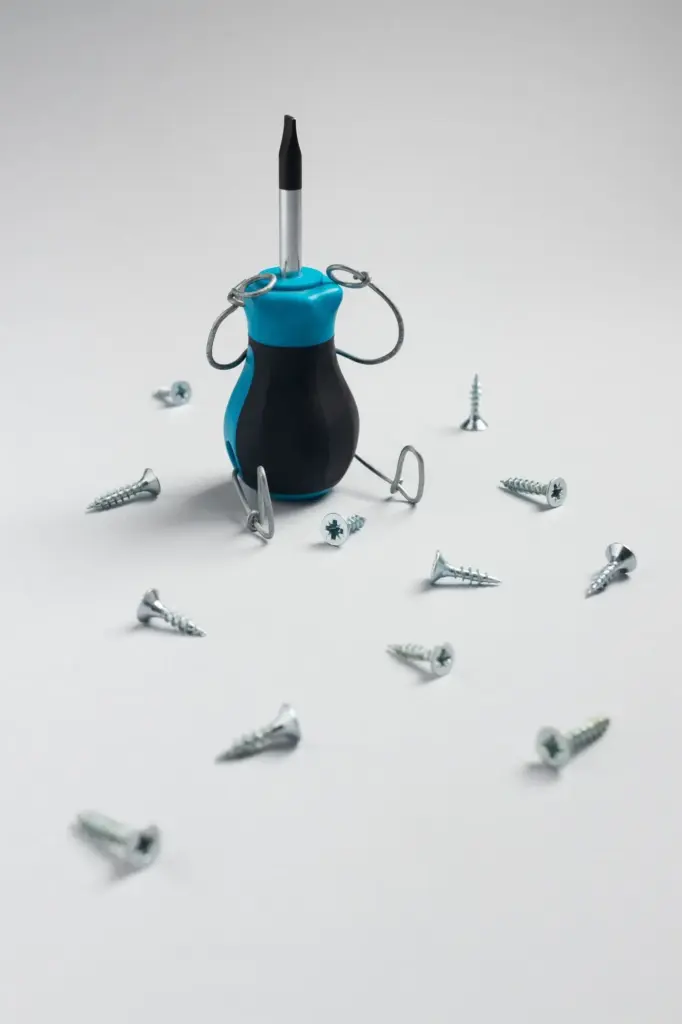
Plan deep work the way a coach plans intervals: prioritize two to three high-stakes sessions per day, protect them fiercely, and cluster similar tasks. Follow with active recovery, not mindless scrolling. Rotate intensity across the week, adding lighter administrative days and occasional deload weeks. This rhythm preserves enthusiasm while keeping decision fatigue low. Comment with your current cadence and what changes could earn you one extra hour of truly great thinking.

Active Rest That Actually Restores

Athletes jog between sprints; knowledge workers can reset without losing momentum. Use NSDR audios, short daylight walks, or playful tasks to downshift stress while keeping purpose alive. Avoid the trap of half-resting inside apps that secretly tax attention. A five-minute nasal-breathing stroll can return more focus than an unfocused break. Tell us your best micro-reset and how it changed the quality of your next work block.

Work With 90-Minute Cycles

Align deep work with times your brain naturally sustains focus, often morning for analytical tasks. Finish a cycle, then step back to let consolidation happen. Resist squeezing one more email into the margin. If nighttime wake-ups appear, reduce late screens and anchor a consistent wake time. Over seven days, note changes in recall and sustained attention. Share your cycle timing so others with similar chronotypes can compare notes.

Nap Without the Fog

Short naps can rescue cognition, but length matters. Aim for 10–20 minutes to avoid sleep inertia, or commit to a full 90-minute cycle when schedules allow. Pair with sunlight exposure afterward to reset alertness. A “caffeine nap” can help if caffeine suits you: sip, set a 20-minute timer, wake as it peaks. Track afternoon meeting quality after each approach and tell us which protocol best fits your context.

Light, Temperature, and Caffeine Timing

Morning light anchors circadian rhythm; evening darkness signals melatonin. Keep bedrooms cool and quiet, leave heavy debates for daylight, and delay caffeine 60–90 minutes after waking to let cortisol do its job. Avoid late caffeine that fragments sleep. These small levers compound into easier mornings and calmer thinking. Experiment for one week and share one environmental change that delivered the biggest win.

The Between-Meetings Recovery Playbook

Micro-recovery keeps the day coherent when calendars crowd. Five to ten dedicated minutes can erase cognitive residue, reset posture, and protect patience. Shift from reactive relief to proactive rituals: breathing, daylight, movement, gratitude. The goal is clarity, not perfection. People who journal tiny resets report feeling more in control of time. Build your menu, keep it visible, and invite your team to participate so breaks become a shared, protective norm.

Fueling Brainpower With Athletic Precision

Cognitive performance thrives on stable energy, adequate protein, and hydration. Front-load protein to support neurotransmitters, combine fiber and fats to smooth glucose curves, and experiment with steady meals that prevent afternoon crashes. Hydrate with electrolytes responsibly, especially on long speaking or workshop days. Consider creatine monohydrate if appropriate, as emerging evidence suggests benefits for cognition. Track what meals precede your clearest writing. Share your reliable breakfast or meeting-day snack to inspire others.

Protein and Glucose Stability

Aim for a protein-forward first meal to blunt cravings and stabilize focus. Pair with complex carbohydrates and colorful plants to support sustained energy. Notice how email tone and problem-solving patience change when blood sugar stays smooth. If a heavy lunch slows you, downshift portion size and add an afternoon walk. Journal meals beside your perceived clarity score and post one combination that repeatedly delivers peak flow.

Hydration and Electrolytes for Clarity

Mild dehydration reduces attention and mood more than we realize. Keep water visible, salt food to taste, and consider electrolytes during long speaking blocks or travel days. Avoid overconsumption that disrupts sleep. A simple rule: a glass per meeting. Evaluate headache frequency and verbal fluency across a week. Report whether timing hydration around deep work blocks changes how long your mind stays crisp.

Cognitive Load Management and Deload Weeks

Just like muscles, minds need structured relief to supercompensate. Group significant challenges into sprints, then plan lighter periods for documentation, learning, or playful side projects. Protect at least one fully off-grid block weekly to reset narrative identity. When pressure peaks, reduce parallel goals rather than extending hours. Leaders who normalize deloads see fewer mistakes and healthier collaboration. Try scheduling a micro-deload and tell us what quality improved most afterward.

Macrocycles and Sprints That Breathe

Set quarterly arcs with two to three decisive pushes and recovery gaps between. Before each sprint, clarify “one thing” metrics, pre-draft templates, and automate low-value tasks. Afterward, debrief like a sports team: what worked, what drained, what to drop. This cadenced approach prevents constant urgency. Share your next sprint window and the recovery practices you will protect inside the calendar.

Rate of Perceived Exertion for Knowledge Work

Borrow the RPE scale to label daily cognitive strain from easy to maximal. If you hit too many high days consecutively, shift to maintenance tasks or training sessions. This self-awareness reduces guilt about adjusting pace. Pair RPE with sleep and mood notes to catch overload early. Invite your team to submit anonymous weekly averages and discuss adjustments without blame.

Measure What Matters, Recover Smarter

Athletes iterate by data and feel; knowledge workers can do the same. Combine lightweight metrics—HRV trends, sleep consistency, and subjective readiness—with simple performance signals like draft quality and rework rates. Let the data inform decisions, not dictate them. Small weekly retrospectives yield compounding improvements. Start with one measure you will actually use. After two weeks, report which number guided your best change and what you will drop.
Justicecrest
Privacy Overview

This website uses cookies so that we can provide you with the best user experience possible. Cookie information is stored in your browser and performs functions such as recognising you when you return to our website and helping our team to understand which sections of the website you find most interesting and useful.